
Grace over guilt
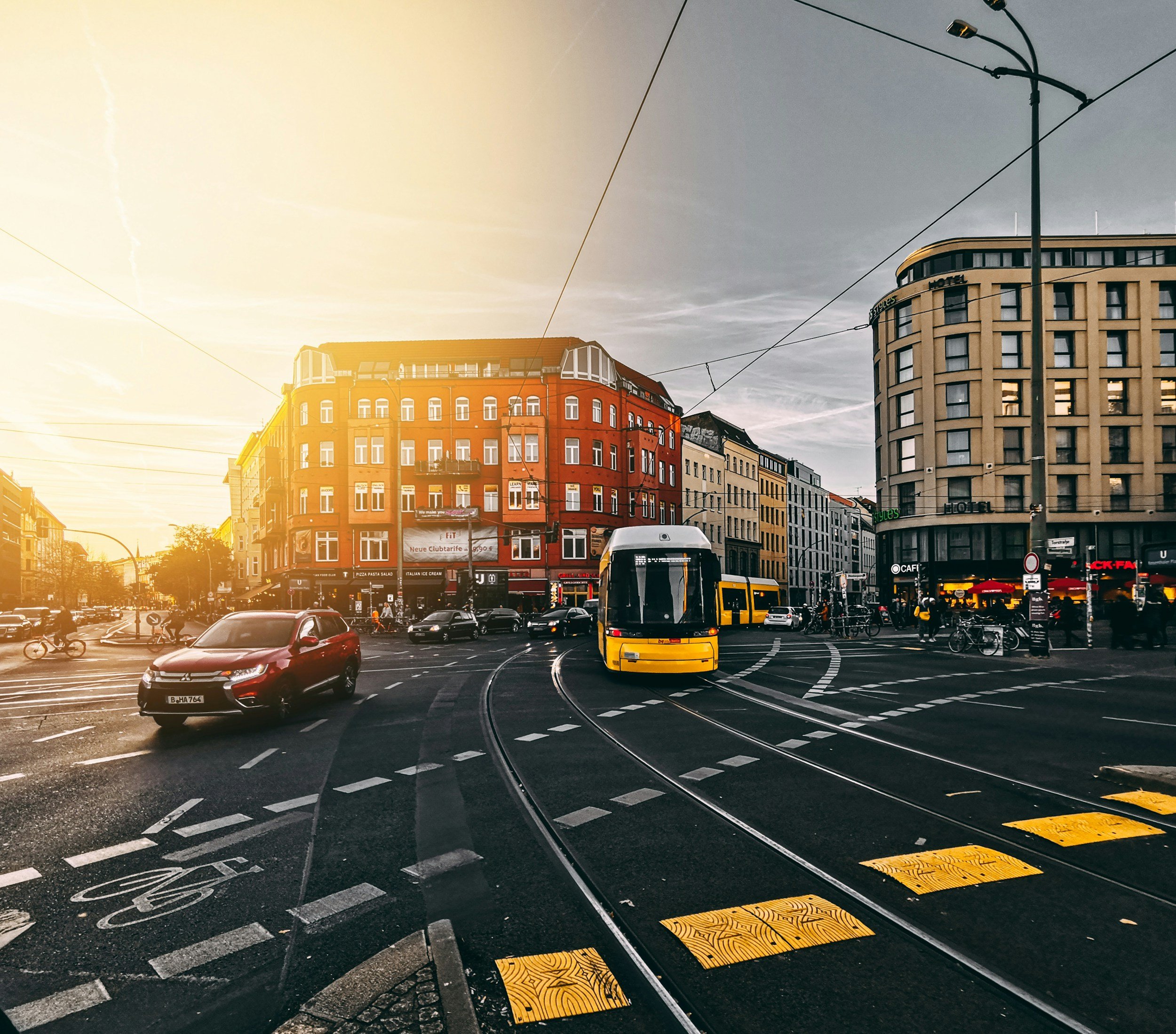
Berlin is historically dubbed “Sin City,” being globally famous for its nightlife, sexual openness, and radical creative freedom. Personal identity is often defined through pleasure, experimentation, and artistic or spiritualistic self-expression. This dynamic can also creep into the church, distorting how believers understand their unchanging spiritual identity in Christ. The city’s reputation as a place where “anything goes” attracts millions of visitors, and new residents each year. For many, Berlin represents liberation from traditional constraints. But this pursuit often masks deeper struggles with addiction, identity, and purpose.
Church planting in this context means…
Offering a vision of freedom that is deeper than indulgence
Extending grace in a culture accustomed to excess
Fostering communities of humility and hope where sin and pain are acknowledged and healed
Showing that true joy is not found in creative escape, but in Christ
Grounding pan-spiritualism and pan-psychism with clear biblical teaching and preaching


Truth over suspicion
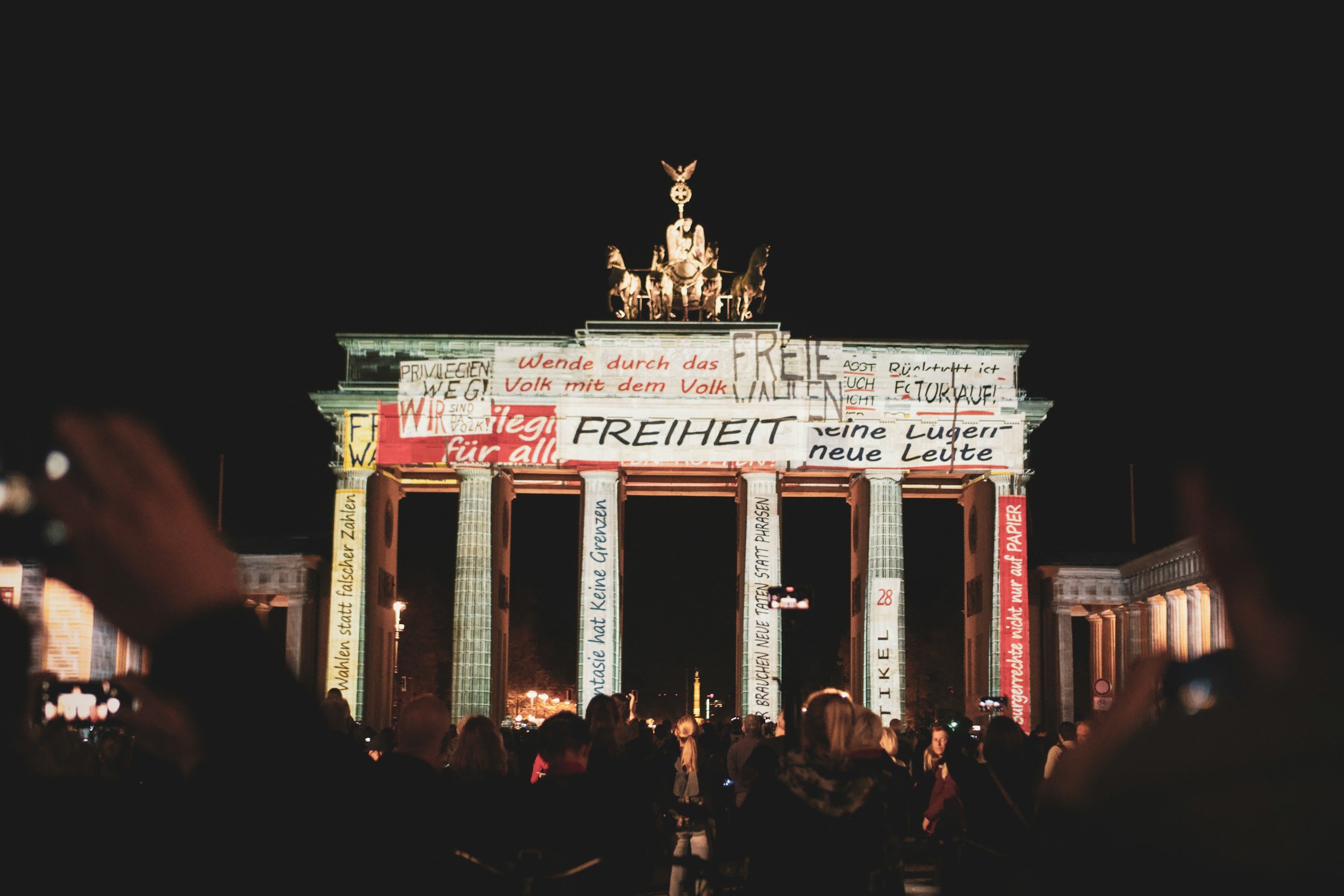
Berlin’s spiritual landscape has also been profoundly shaped by its dark history. The devastation of WWII, the utter moral collapse during the Nazi era, and decades of communist rule in East Germany deeply eroded public trust in religion, institutions, and positions of authority in general. Under communist ideology, Christianity was further repressed and replaced with state-sponsored atheism. Generations grew up with little to no exposure of genuine Christian faith. Today, Berlin is often called “the atheist capital of Europe.”
Church planting in this context means…
Patient and compassionate evangelism
Clear explanations of the gospel to people with no Christian background
Ministering to authority-resistant individuals
Addressing intellectual questions about faith and history
Demonstrating the credibility of Christianity through authentic Christian living and community

Family over isolation
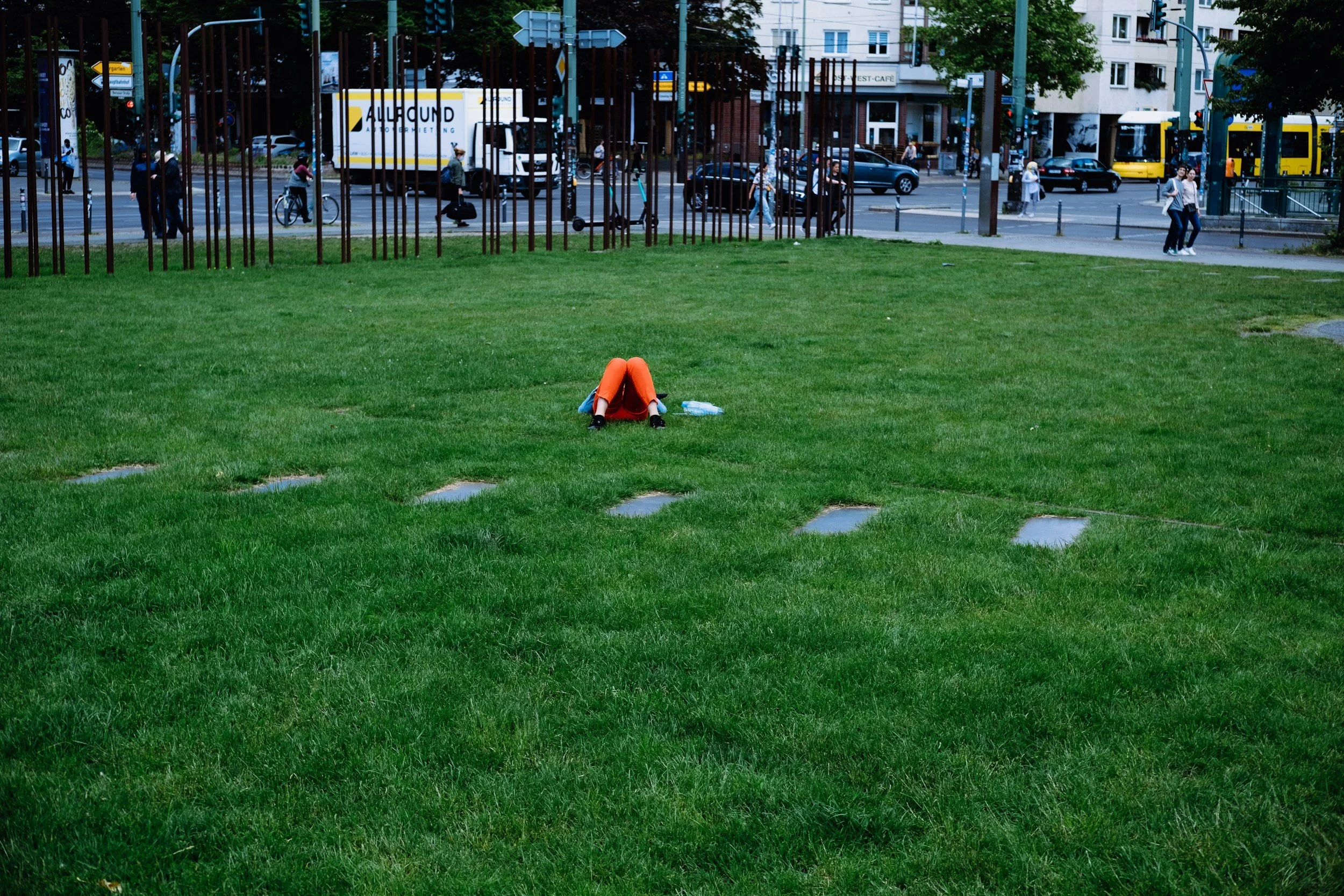
Berlin is one of Europe’s most international, interreligious, and individualistic cities, housing peoples from over 190 nations. People come to work, study, explore creative opportunities, or obtain refugee status. This exciting influx of diversity facilitates constant gospel witness to “the ends of the earth.” But it also contributes to a culture of transience, relational non-commitment, and isolation. Many residents move frequently, a high percentage live alone, and social circles can be temporary and fragmented. Berliners typically report feeling highly disconnected from community, earning the city its reputation as “the loneliness capital.”
Church planting in this context means…
Fostering spiritual families where people truly belong
Building relationships across cultural and linguistic boundaries
Discipling highly independent and mobile individuals
Providing stability and care in the midst of constant change
Casting a vision of church extending beyond mere community

Faith over humanism
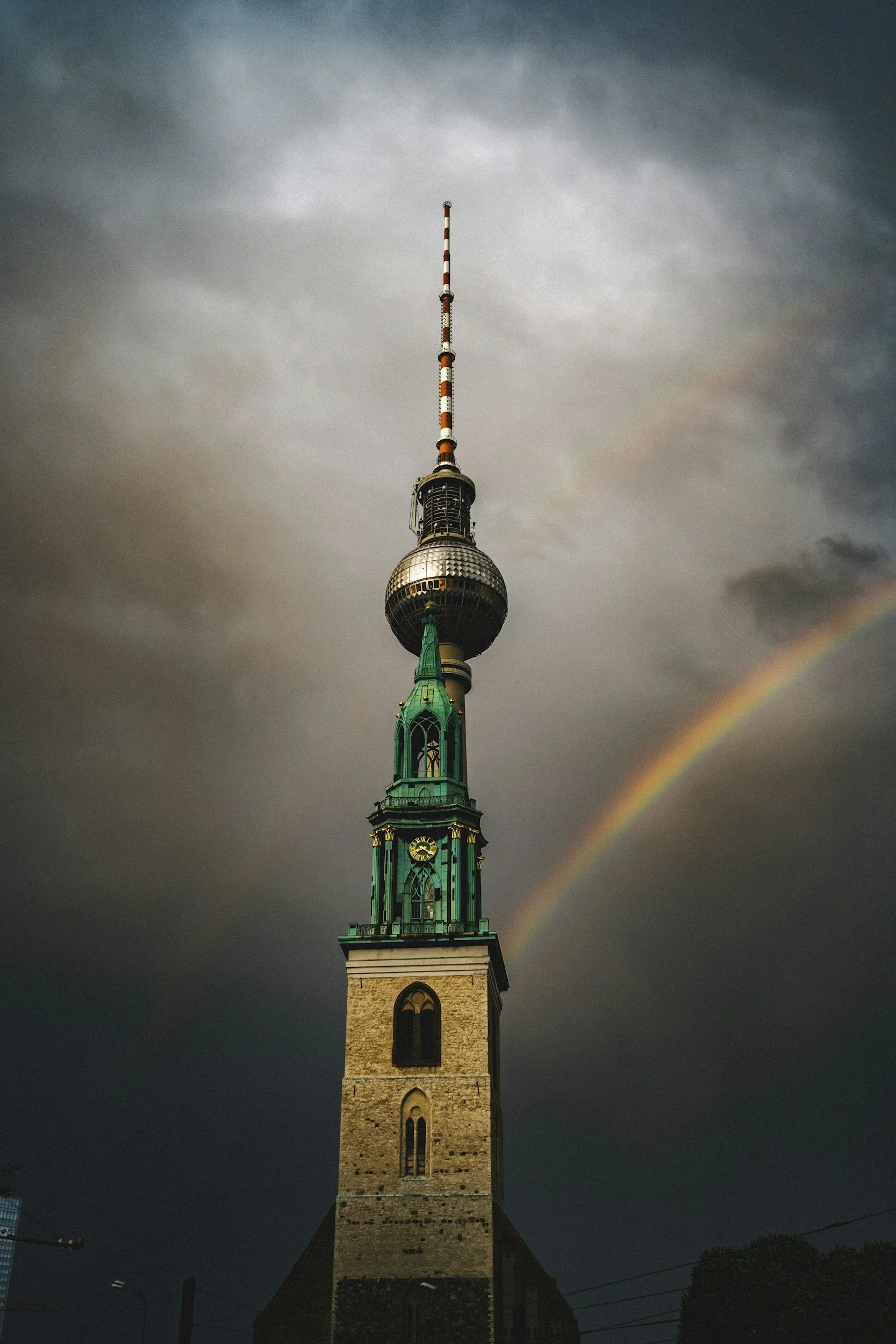
Another dynamic shaping Berlin’s spiritual landscape is Christianity’s evolution within post-Christian religious society. Berlin was a major center for Enlightenment thinking in the 18th century. Owing largely to rapid secularization in a country with state-linked church structures, faith was widely reinterpreted as humanistic moralism. Post-WWII political reconciliation efforts further contributed to the rise of institutional ecumenicalism, where many churches began to espouse social justice, political activism, and shared human values as sufficient for Christian living. Today, few churches emphasize or accept Scripture’s life-giving message of salvation. This ecumenical tide of humanistic moralism can also contribute to the “ideological colonization” of other religious groups in unprecedented ways.
Church planting in this context means…
Seeking theological clarity and gospel-centricity amidst institutional unity and social cooperation
Re-centering church fellowship around spiritual renewal and obedient discipleship
Leading hyper-egalitarian communities
Demonstrating that authentic Christian unity grows from a shared commitment to the gospel in the Holy Spirit
Defending the authority, trustworthiness, and sufficiency of Scripture
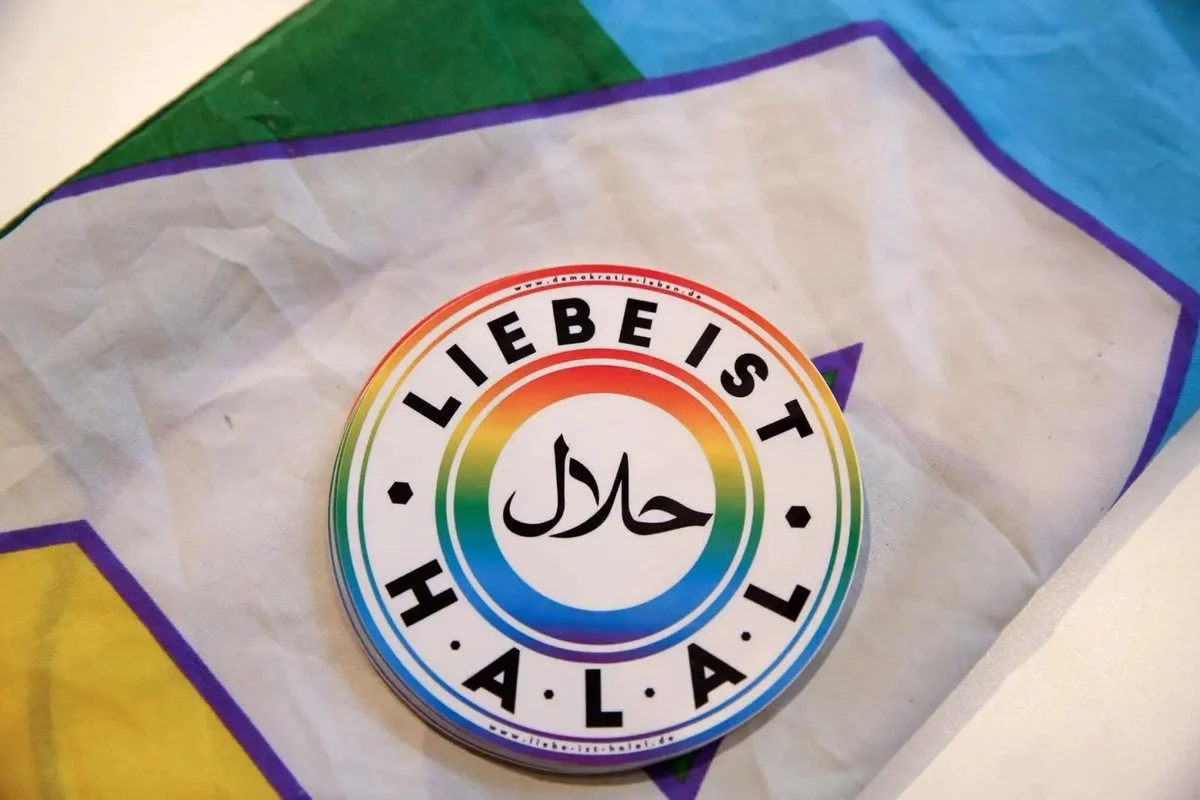
Above: A culturally Western flag flown at a Berlin mosque.